

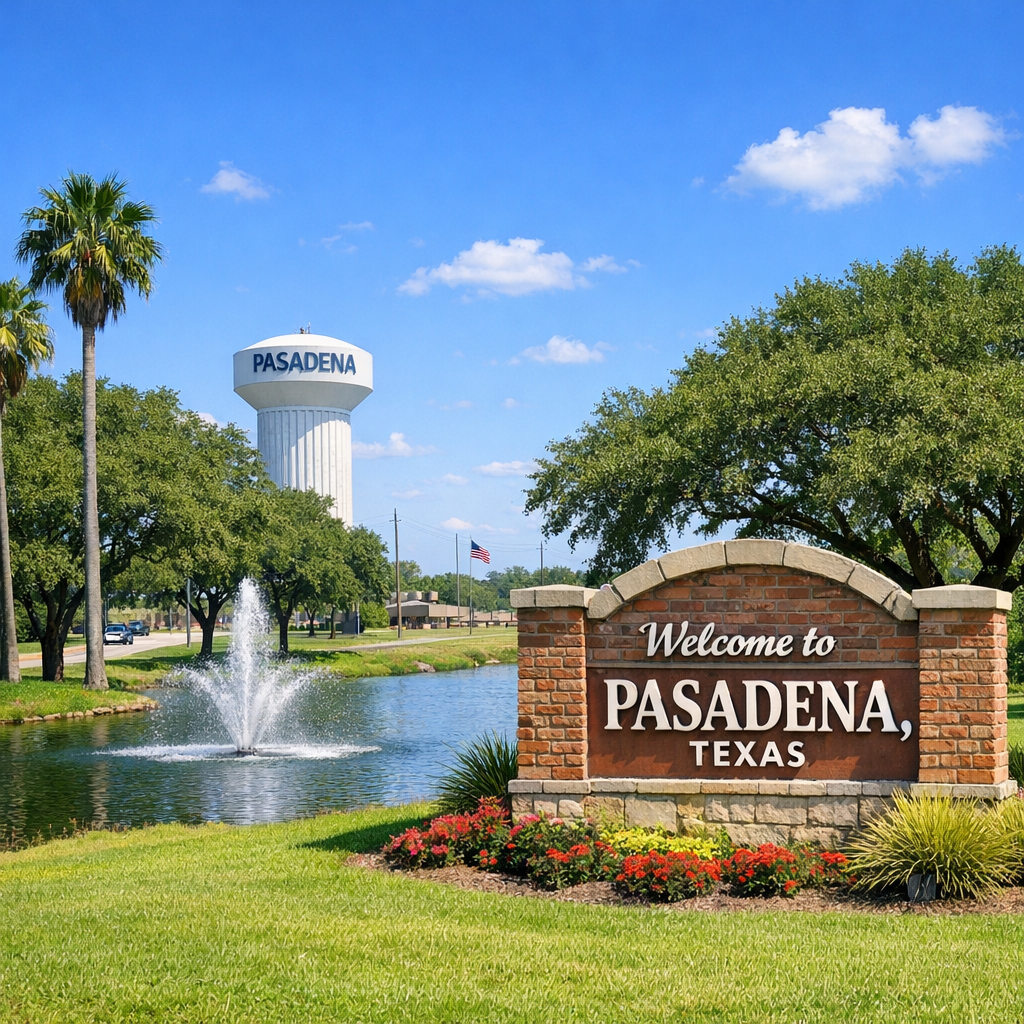
Pasadena, Texas, experiences a humid subtropical climate, marked by hot, humid summers and generally mild to cool winters. This climate classification, known as Cfa in the Köppen system, indicates no dry season, with rainfall distributed fairly evenly throughout the year.
Temperature Patterns
Throughout the year, Pasadena’s temperatures exhibit moderate fluctuations. Average high temperatures range from approximately 60.6°F (15.9°C) in January to 92.8°F (33.8°C) in August. Correspondingly, average low temperatures vary from around 46.9°F (8.3°C) in January to 78.4°F (25.8°C) in August. This range provides residents with a relatively stable climate without extreme temperature swings.
Precipitation and Rainfall
Rainfall in Pasadena is consistent year-round, with monthly averages varying from 1.89 inches (48mm) in February to 5.94 inches (151mm) in September. The number of rainy days per month ranges from about 14.8 days in March to 21.3 days during the wetter months of August and September. This steady precipitation supports the lush greenery and vibrant plant life characteristic of the region.
Seasonal Considerations
For those planning outdoor activities or visits, the months of May and June are particularly favorable. During this period, average high temperatures range from 84.4°F (29.1°C) to 90.1°F (32.3°C), accompanied by extended daylight hours and ample sunshine. Conversely, August tends to be the warmest month, with average high temperatures reaching up to 92.8°F (33.8°C) and increased rainfall, making it less ideal for outdoor events.
Conclusion
Understanding Pasadena’s climate patterns is essential for residents and visitors alike. The city’s humid subtropical climate ensures warm temperatures and consistent rainfall throughout the year, contributing to its unique environmental character.