

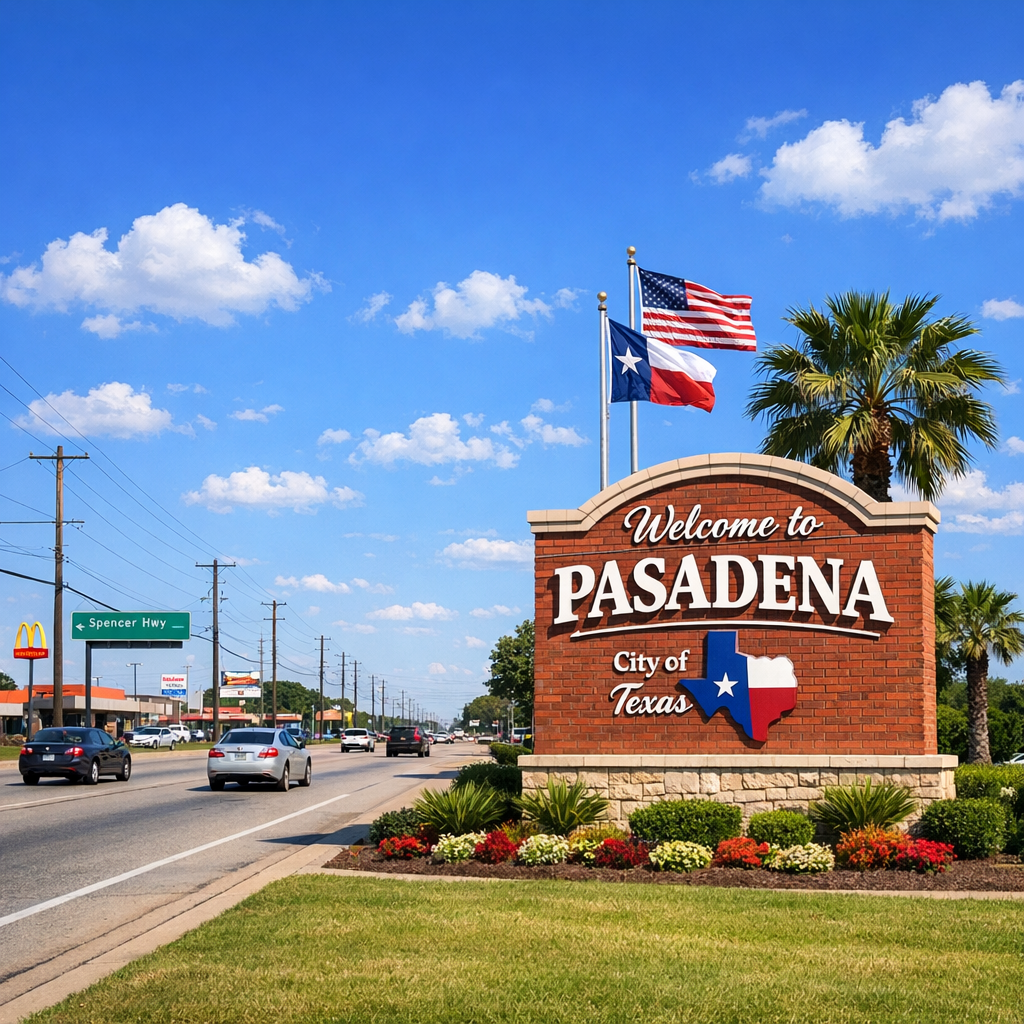
Pasadena, Texas, experiences a humid subtropical climate characterized by hot, humid summers and mild winters. Understanding these patterns can help residents and visitors prepare for the city’s weather year-round.
Temperature Trends
Throughout the year, temperatures in Pasadena typically range from lows around 46°F (8°C) in January to highs near 93°F (34°C) in August. The warm season spans from late May to late September, with average daily highs above 87°F (31°C). August stands out as the hottest month, averaging a high of 92°F (33°C) and a low of 76°F (24°C). Conversely, the cool season lasts from early December to late February, with average daily highs below 68°F (20°C). January is the coldest month, featuring an average high of 64°F (18°C) and a low of 46°F (8°C).
Precipitation Patterns
Pasadena receives consistent rainfall throughout the year, with monthly averages ranging from 1.39 inches (35 mm) in February to 3.76 inches (96 mm) in June. The city averages approximately 29.76 inches (756 mm) of precipitation annually. Notably, June is both the wettest and windiest month, with average wind speeds of 16 mph (26 km/h).
Seasonal Considerations
Spring and fall offer moderate temperatures and are often considered the most comfortable times to be outdoors. However, residents should remain vigilant during hurricane season, which runs from June through November, as Pasadena’s proximity to the Gulf of Mexico increases the risk of tropical storms and hurricanes.
Environmental Initiatives
The City of Pasadena is committed to environmental stewardship. The Environmental Services Division provides public education on pollution prevention, flood risks, and hurricane preparedness. Additionally, the city operates two wastewater treatment plants—Vince Bayou and Golden Acres—to manage wastewater effectively and comply with environmental regulations.
By staying informed about Pasadena’s climate and participating in local environmental initiatives, residents can contribute to a healthier and more resilient community.